
By Alissa Heirigs On Sales Enablement
For you if your team sells in messy, unpredictable, or high-stakes situations. Find out how to train reps on adaptive selling. So they can pivot when things don’t go according to plan.
A lot of my college friends were music education majors — brave souls studying to be band directors. It was a five-year program. For the first four years, their teaching practice happened in front of ensembles made up of other music majors. These students could focus through long rehearsals, follow directions, and sight-read almost anything. All the future directors’ preparation happened in utopia.
Then came year five: the collapse of civilization as they knew it.
Suddenly, they were standing in front of sixty to eighty middle- or high-schoolers. Some kids couldn’t read music. Some didn’t know which end of the instrument to blow into. All of them were holding equipment specifically designed to make loud noises.
On top of that, they faced school politics. Helicopter parents. Long hours. Budget shortages.
These people just wanted to help kids learn to love music. But four years of education had not prepared them in any practical way for the circus that was band director life. Because the practice environment and the real world had almost nothing in common.
Selling works the same way.
Sales enablement tools need to prep reps for reality
Many sales tools and playbooks present selling as neat and predictable. They feature ideal sales scenarios, cooperative buyers, and friction-free conversations. The implication is clear: follow these simple steps, and you’ll see success.
But if you’re like many of our clients, your reps aren’t selling in ideal environments. They’re encountering real sales challenges that don’t show up in typical training materials. So they need to learn adaptive selling.
If your playbook only preps reps for perfect conditions, the real world is going to be a rude awakening.
What is adaptive selling?
Adaptive selling is adjusting your sales approach in real time based on the situation and the customer — their personality, preferences, and pressing challenges.
We interview reps and technicians for sales playbooks, and they often describe situations their training never covered. Times when they had to read the room, reassess a problem, and change course on the fly.
Below are examples of messy realities reps face. And some playbook excerpts that train them to respond with adaptive selling.
Messy reality #1: What looks like the problem is just a symptom
In many service businesses, you’re hired to find and fix problems. But sometimes, all you can see are symptoms. Your training points to one specific fix — but that fix ain’t fixing anything. And the customer is getting more and more frustrated.
That’s often the case for our pest control clients. Reps and techs have shared lots of stories about recurring problems that required repeat visits, extra treatments, and deep detective work to find the real problem and save the business.
Instead of smoothing those stories into “best practices,” we put them directly into the playbook. Because truth is more compelling than anything we could make up.
These examples show adaptive selling in action. When reps realize the apparent problem isn’t the real one, they have to adapt their diagnosis, recommendations, and conversations in real time — not rely on a preset solution.

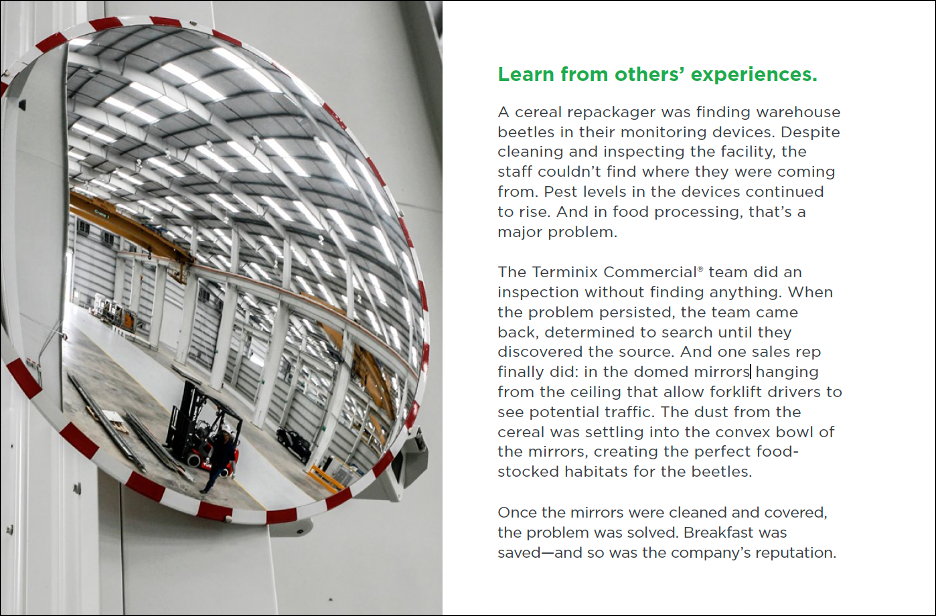
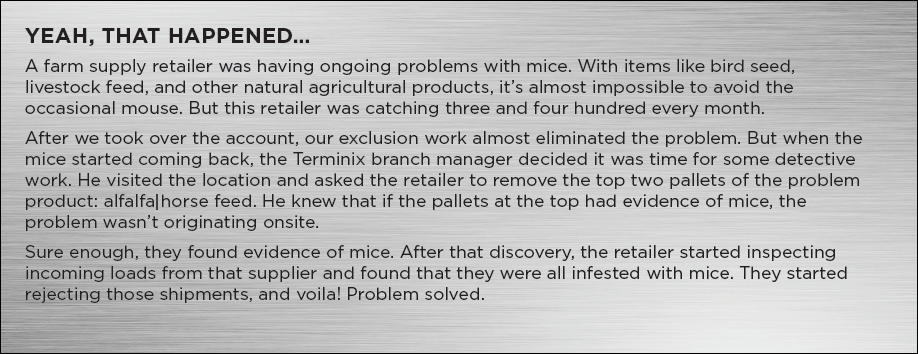
What this accomplishes
- It reframes selling as disciplined problem-solving.
The first (or most logical) answer isn’t always right. Effective reps stay curious, question assumptions, and keep digging. - It removes the pressure to be perfect.
None of these stories make the rep look slick or heroic. They make them look human: confused at first, persistent, occasionally wrong, and ultimately effective because they didn’t give up.
When reps see you taking them seriously, using their experience to train others, they’re more likely to adopt your materials and encourage others to do the same.
Messy reality #2: The situation is sensitive and emotionally charged
Some selling situations come with emotional weight. A customer may be dealing with a tragedy, a safety issue, or a problem they don’t want to draw attention to.
In interviews, reps have told us that in these moments, moving too fast or asking the wrong question can damage trust and put the relationship at risk.
Using adaptive selling, reps can adjust their pace, language, and actions based on the context and emotional cues they’re getting from the client.
The following playbook sections prep reps for sensitive situations in trauma cleanup and property restoration.


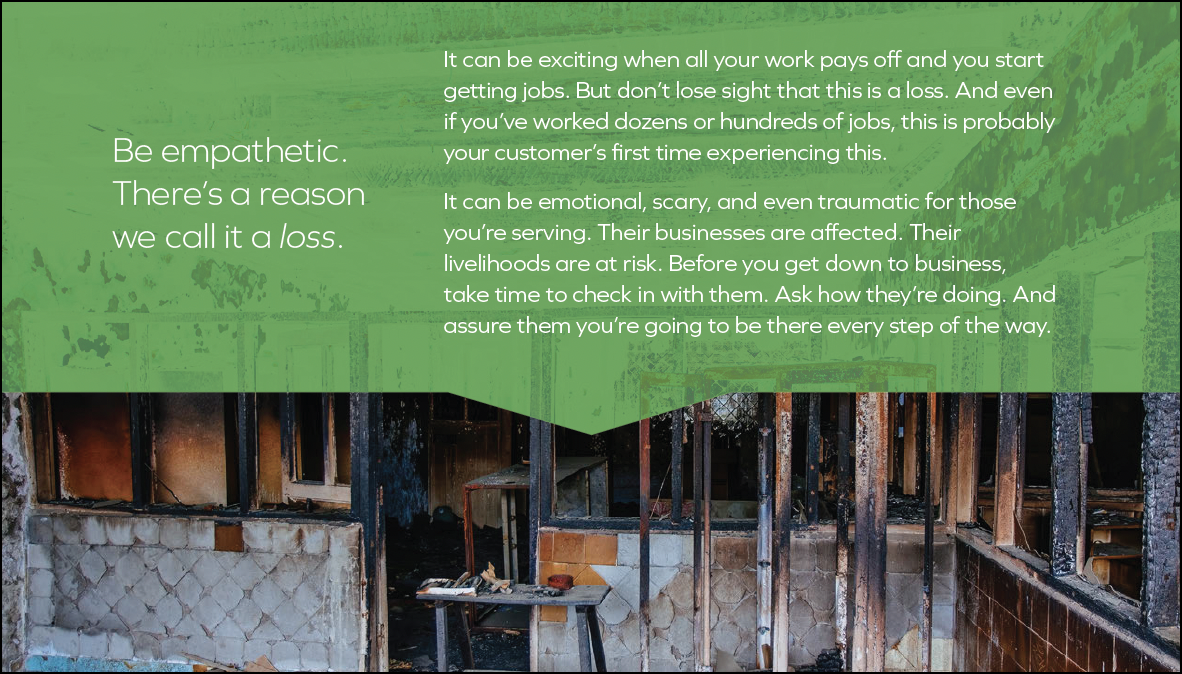
What this accomplishes
- It prepares reps for moments where selling becomes secondary.
Sensitive situations reward care, empathy, and discretion. This guidance helps reps show up in a way that builds trust. - It emphasizes that it’s ok to stop and ask for advice.
Smart selling sometimes means knowing when to slow down, engage an expert, or step back and let someone else take over.
Messy reality #3: The physical environment is chaotic and overwhelming
From bed bugs breeding in office equipment to roach infestations in commercial kitchens, we’ve heard it all from our pest control clients. Their reps often work in environments that are dark, cramped, noisy, and literally crawling with pests. Pests that hide in drains, wall voids, drop ceilings, equipment housings, and places the customers aren’t even aware exist.
In conditions like these, it’s easy to rush — or let discomfort dictate decisions. That’s where structure matters most.
As part of field sales training, we created inspection diagrams that break complex spaces into zones. Each zone outlines what to look for, what it likely indicates, and how to address the risk. These tools give reps something steady to rely on when the environment is anything but.

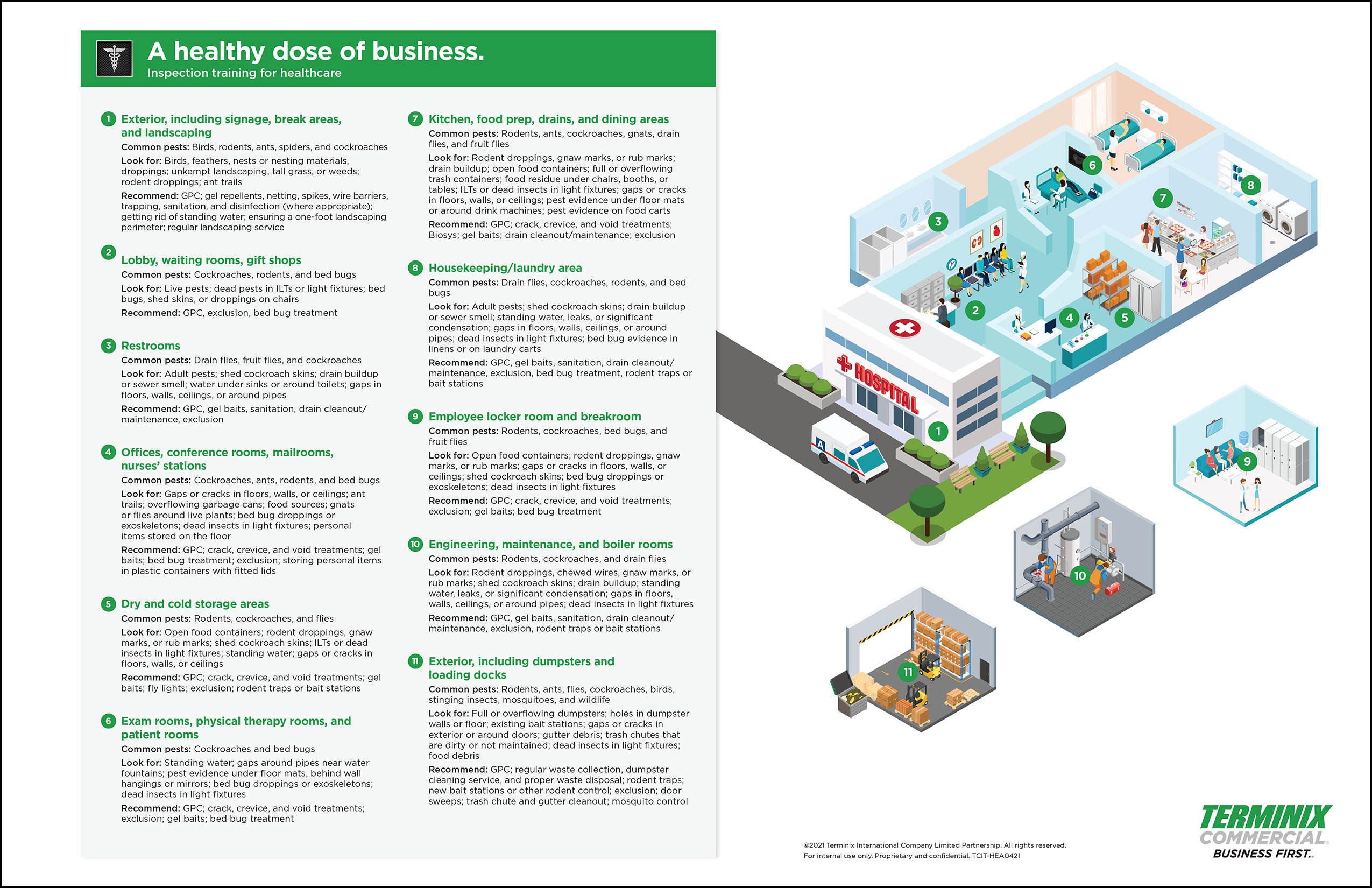
What this accomplishes
- It reinforces credibility through discipline.
Customers feel the difference when explanations are calm, thorough, and clear. That confidence comes from structured training. - It helps reps retain information.
Visual tools convey complex info in a simple way that’s easy to remember. These diagrams help newer reps ramp faster and experienced reps stay sharp.
How does adaptive selling grow revenue?
When you train your team to handle real-world selling situations, the benefits pile up fast. Reps become more confident, and that certainty is clear during sales calls. In turn, customers are more confident in their rep, your product, and your brand. Before long, your team’s momentum and maturity grow, and revenue grows, too.
So how do you develop guidance for adaptive selling in real-world situations? Your sales veterans are a gold mine. They’re probably practicing it every day, even if they don’t know the name for it. So translate their knowledge into practical playbook guidance. Or delegate playbook duty to the experts.
Related:
What is a sales playbook?
How to create a sales playbook
