
By Kevin Lewis On Branding, Message Strategy
For you if you want your message to resonate, not just reach. Learn how customer-centric design makes every interaction more meaningful — one of The 4 things that make a message work™.
Every great story has a main character. And in marketing, it’s tempting to cast your brand in the starring role. Your products. Your services. Your capabilities.
But here’s the plot twist: Your audience is the hero.
They have their own goals, challenges, and experiences. They’re looking for a brand that understands what matters to them.
That’s where customer-centric design comes in. Rather than promoting your capabilities, it helps people see the possibilities.
What does “customer-centric” actually mean?
At Counterpart, we’re all about helping brands create narratives that connect. And the best marketing comes down to four essential qualities: customer-centric, clear, compelling, and controlled. We call them the 4 Cs of message strategy, or The 4 things that make a message work™.
Being customer-centric means shifting the focus from your product or service to the people you’re trying to reach. Their needs. Their ambitions. Their everyday realities. Think less “Look what we can do” and more “Imagine what you can do.”
Let’s look at how six brands give their customers center stage — and stand out in the process.
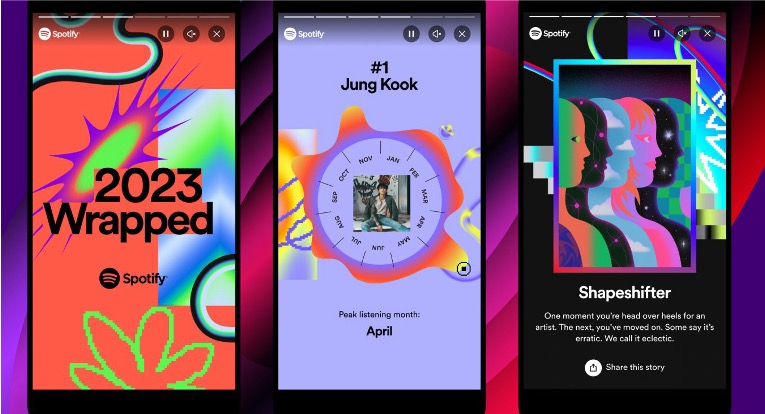
Spotify puts your personality on repeat
Spotify Wrapped is an annual recap of your listening habits. Released toward the end of each year, it transforms your music and podcast streaming data into an interactive experience. It typically highlights your top artists, favorite genres, and most-played songs — including that breakup anthem you had on repeat.
What makes Wrapped especially effective is its shareability. Spotify presents the results in visually engaging, social-media-friendly formats that people can post and compare with friends.
That’s audience-first design in action. The brand becomes part of the conversation by putting the spotlight on its listeners.

Airbnb makes you feel right at home
With its Belong Anywhere campaign, Airbnb went beyond lodging to capture what makes travel memorable. They highlighted human connections rather than rooms, rates, and amenities.
The host who welcomes you like an old friend. The neighborhood gems only locals know about. The unexpected conversations that transform a new place into somewhere familiar.
The location set the scene, but the travelers stole the show. Because belonging is a feeling, not a destination.
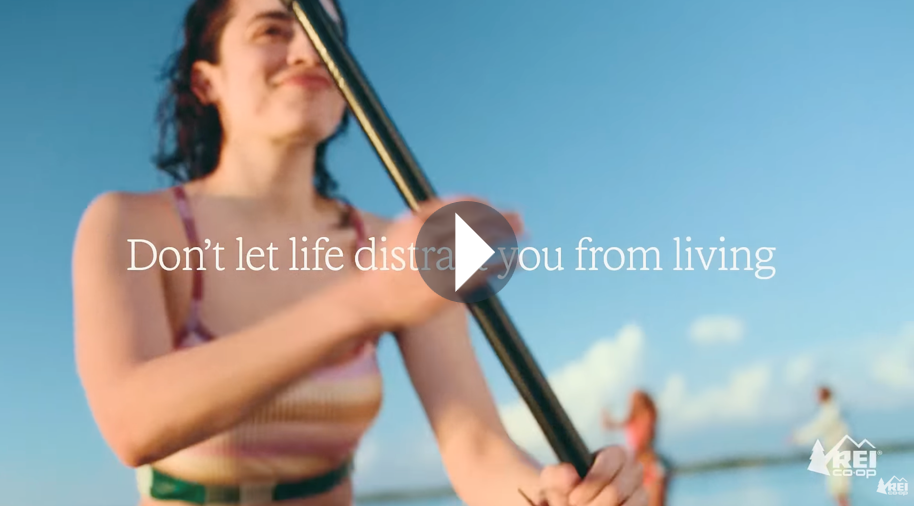
REI inspires you to get out
REI knows the best experiences aren’t found on a store shelf. They’re waiting at the end of a winding trail, beneath a sky full of stars, or just beyond your comfort zone.
And REI doesn’t just talk the talk. Since 2015, its #OptOutside initiative has championed an unconventional approach to Black Friday. The company closes its stores and encourages people to trade shopping carts for hiking trails.
REI brought customer-centric design to life by putting its audience’s passions ahead of its products.

Ancestry puts you on the case
Where did your family come from? What surprises are hiding in your family tree? Could a distant relative unlock a whole new chapter of your past?
Ancestry raises questions that are impossible not to take personally. By transforming genetic data into a journey of discovery, it encourages people to learn something about themselves. The company has even helped reveal untold family histories through the PBS show Finding Your Roots.
The science is fascinating. But discovering something extraordinary about yourself? That’s what makes it irresistible.
TurboTax takes the drama out of tax season
TurboTax understands that behind every tax return is a real person with a complicated life. The freelancer juggling multiple gigs. The first-time filer wondering where to start. The small business owner trying to keep everything straight.
With its Year of the You campaign, TurboTax speaks to those everyday realities instead of leading with software features. Messages like “You did a lot this year” and “It’s amazing what you’re capable of” celebrate everything people have accomplished.
The message is simple: You’re the impressive one, not the software. That’s customer-centric design at its best.
By focusing on your life, your hustle, and even your mess, the message makes you the main character and the product a supporting one.
Zillow helps you picture what’s next
Zillow gets that house hunting isn’t just about square footage, countertops, and walk-in closets. Its Find Your Way Home campaign invited potential buyers to imagine more than a new address. It showed them the life waiting on the other side of the front door.
The kitchen where everyone gathers for the holidays. The backyard where the dog finally has room to run. The extra bedroom that could become a nursery, a home office, or whatever life has planned next.
That’s what makes Zillow’s approach so compelling. The brand takes a back seat to the person dreaming of their future.
Is it time to flip the script?
Sometimes, putting your audience first starts with a few small words. Here’s a quick test. Pull up something you’ve written recently. An email. A social post. A headline. Count the number of times you say we, our, and us. Now look for you and your.
Your choice of words can reveal whether you’re speaking to your audience or simply talking about your brand.
Of course, customer-centric design goes beyond a few pronoun swaps. It’s about seeing things through your audience’s eyes, understanding what matters to them, and making your message worth their attention.
Ready to shift the spotlight? We’d love to help.
Related:
How to make your message customer-centric
The role of message strategy in sales enablement
